Gift Health. Gift Lucis. 190€ discount

Lucis is now available in the United Kingdom.

Two comprehensive blood tests per year. Personalized recommendations. Lab-verified products. Community support.

Hero Image

Powered by Randox

The UK's most advanced diagnostic network

Randox
How it works in 4 steps

First, we test for 100+ biomarkers

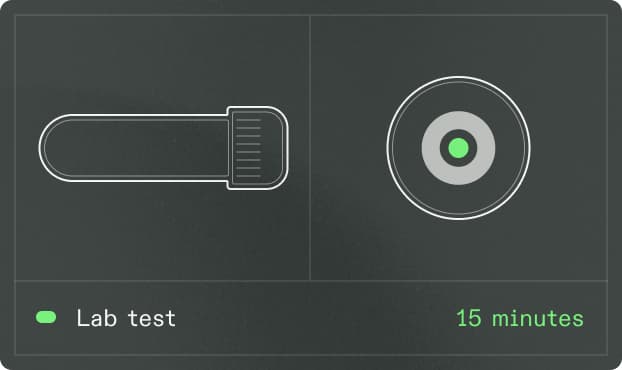
A 15-minute lab test at one of our certified labs gives us detailed baseline data on everything from your cardiovascular health to your sex hormones.

how it works
Day One
01
02
03
04

Book your test at one of 400 Lucis partner labs in Europe

Currently available in France, UK, Irland and Portugal. Coming soon to the rest of Europe.

What we test

ALL BIOMARKERS
100+ FULL PANEL
60+ LIGHT PANEL
Heart and vascular health17
Hematology12
Immunity & Inflammation10
Kidney Health10
Liver Health14
Metabolic Health7
Nutrients & Oxidative Stress13
Sex Hormones9
Stress & Recovery3
Thyroid health4
Urine analysis7

Uric acid

plus
Uric acid is a biomarker produced during the breakdown of purines, which are compounds found in many foods and naturally in the body. It acts as an antioxidant (a substance that prevents damage from free radicals) at moderate levels but can cause health issues like gout (a type of arthritis) and kidney problems when elevated
SystemHeart and vascular health
traditional blood marker

Apolipoprotein B (ApoB)

plus
Apolipoprotein B (ApoB) is a protein found in **atherogenic lipoproteins** (like LDL and VLDL), which are linked to **atherosclerosis** (the buildup of plaque in arteries). Each particle of these lipoproteins contains one ApoB molecule, making it a direct measure of the number of these particles in the blood
SystemHeart and vascular health
traditional blood marker

Apolipoprotein A1

plus
Apolipoprotein A1 (ApoA-1) is the main protein component of high-density lipoprotein (HDL), which helps remove excess cholesterol from the bloodstream. It plays a crucial role in cardiovascular health and has anti-inflammatory properties
SystemHeart and vascular health
traditional blood marker

Total Cholesterol

plus
Total cholesterol is a lipid (fat) molecule found in the blood, essential for building cell membranes and producing hormones. It exists in various forms, including low-density lipoprotein (LDL) and high-density lipoprotein (HDL), which play different roles in cardiovascular health.
SystemHeart and vascular health
traditional blood marker

HDL cholesterol

plus
HDL-Cholesterol, often referred to as 'good cholesterol,' is a component of high-density lipoproteins (HDL), which are protein-lipid nanoparticles. HDL plays a crucial role in removing excess cholesterol from cells and transporting it to the liver for excretion, thereby helping to prevent atherosclerosis (the buildup of plaque in arteries).
SystemHeart and vascular health
traditional blood marker

Non-HDL cholesterol

plus
Non-HDL cholesterol represents all cholesterol that is not carried by high-density lipoprotein (HDL). It includes LDL, VLDL, and other atherogenic lipoproteins. This measurement is considered a better predictor of cardiovascular risk than LDL cholesterol alone, as it captures all potentially harmful cholesterol particles.
SystemHeart and vascular health
traditional blood marker

LDL cholesterol

plus
LDL-Cholesterol (LDL-C) is a type of cholesterol found in the blood, often referred to as 'bad' cholesterol. It plays a crucial role in the development of atherosclerosis (the buildup of plaque in arteries), which can lead to cardiovascular diseases
SystemHeart and vascular health
traditional blood marker

Triglycerides

plus
Triglycerides are a type of fat found in the blood, often used as a biomarker for cardiovascular health. They are a key component of lipids (fats) and are crucial for energy storage and metabolism. Elevated levels can indicate increased risk of heart disease and other metabolic issues.
SystemHeart and vascular health
traditional blood marker

Lipoprotein (a)

plus
Lipoprotein(a) is a type of low-density lipoprotein (LDL) that includes apolipoprotein(a), which is linked to increased cardiovascular risk. It is similar to LDL but has unique properties due to its apolipoprotein(a) component, which influences its pathogenic potential
SystemHeart and vascular health
traditional blood marker

Erythrocyte fatty acid profile

plus
The erythrocyte fatty acid profile analyzes the fatty acid composition of red blood cell membranes, providing a reliable assessment of long-term dietary fat intake and metabolism. It reflects cellular membrane health and can identify deficiencies in essential fatty acids that impact cardiovascular and neurological health.
SystemHeart and vascular health
traditional blood marker

Oxidized LDL

plus
Oxidized LDL is a modified form of low-density lipoprotein that has undergone oxidative damage. It's highly atherogenic and plays a key role in the development of atherosclerosis by promoting inflammation and plaque formation. Elevated levels indicate increased cardiovascular risk and oxidative stress.
SystemHeart and vascular health
traditional blood marker

ApoB / ApoA1

plus
The ApoB/ApoA1 ratio is a biomarker that compares the levels of apolipoprotein B (ApoB) and apolipoprotein A1 (ApoA1) in the blood. ApoB is associated with 'bad' cholesterol, while ApoA1 is linked to 'good' cholesterol. This ratio helps assess cardiovascular risk by measuring the balance between atherogenic (harmful) and protective lipoproteins
SystemHeart and vascular health
traditional blood marker

TG / HDL‑C (Triglycerides/HDL)

plus
The TG/HDL-C ratio compares triglycerides to HDL cholesterol levels, serving as an indicator of cardiovascular risk and insulin resistance. Higher ratios suggest increased risk of metabolic syndrome, diabetes, and heart disease. Values above 3.5 are considered elevated risk.
SystemHeart and vascular health
traditional blood marker

Atherogenic Plasma Index (AIP)

plus
The Atherogenic Plasma Index (AIP) is a calculated ratio of triglycerides to HDL cholesterol that assesses cardiovascular risk. Higher AIP values indicate increased risk of atherosclerosis and coronary heart disease. It's particularly useful for identifying small, dense LDL particles that are more atherogenic.
SystemHeart and vascular health
traditional blood marker

Non-HDL-C

plus
Non-HDL-C represents all atherogenic cholesterol particles by subtracting HDL from total cholesterol. It includes LDL, VLDL, and other potentially harmful lipoproteins. This marker is particularly useful when triglycerides are elevated, as it provides better cardiovascular risk assessment than LDL alone.
SystemHeart and vascular health
traditional blood marker

LDL-C / HDL-C

plus
The LDL-C/HDL-C ratio compares 'bad' cholesterol to 'good' cholesterol, providing insight into cardiovascular risk. Higher ratios indicate increased risk of atherosclerosis and coronary artery disease. Optimal ratios are typically below 2.5, with lower values indicating better cardiovascular protection.
SystemHeart and vascular health
traditional blood marker

ApoB / LDL-C

plus
The ApoB/LDL-C ratio compares apolipoprotein B to LDL cholesterol, helping assess the number versus size of LDL particles. Higher ratios indicate more small, dense LDL particles which are more atherogenic. This ratio provides additional cardiovascular risk stratification beyond standard lipid panels.
SystemHeart and vascular health
traditional blood marker
uk-person
Guillaume Vidal
40, Paris

Lucis gave me excellent insights into my health. I've done my share of health tests, but the combination of in-depth biomarker analysis, doctor-reviewed reports, and a clear action plan really sets Lucis apart. I would recommend Lucis to anyone serious about long-term performance and health.

Get access to Europe's mostcomprehensive health check

Lucis Discovery

16

/month

Billed at 190€ annuallyComparable tests typically cost over €500.
discovery card

A single checkup as a starting point

60+ biomarkers light panel to start learning from your biology

white noise

Lucis Care

41

/month

Billed at 490€ annuallyComparable tests typically cost over €2,000.
membership card

Two complete checkups a year

100+ biomarkers on your first check, with a targeted follow-up six months later

Wearables integrations

Connect your wearables (Garmin, Withings, Strava, Apple Watch) for consistent feedback on your progress

Tailored actions

From what to eat to how to train: improve your lifestyle everyday and see lasting changes

Lucis

Your body has the answers.
Lucis helps you unveil them.

Request an AI summary of Lucis

ChatGPTClaudeGeminiGrokPerplexity
© Lucis 2025. All rights reserved.